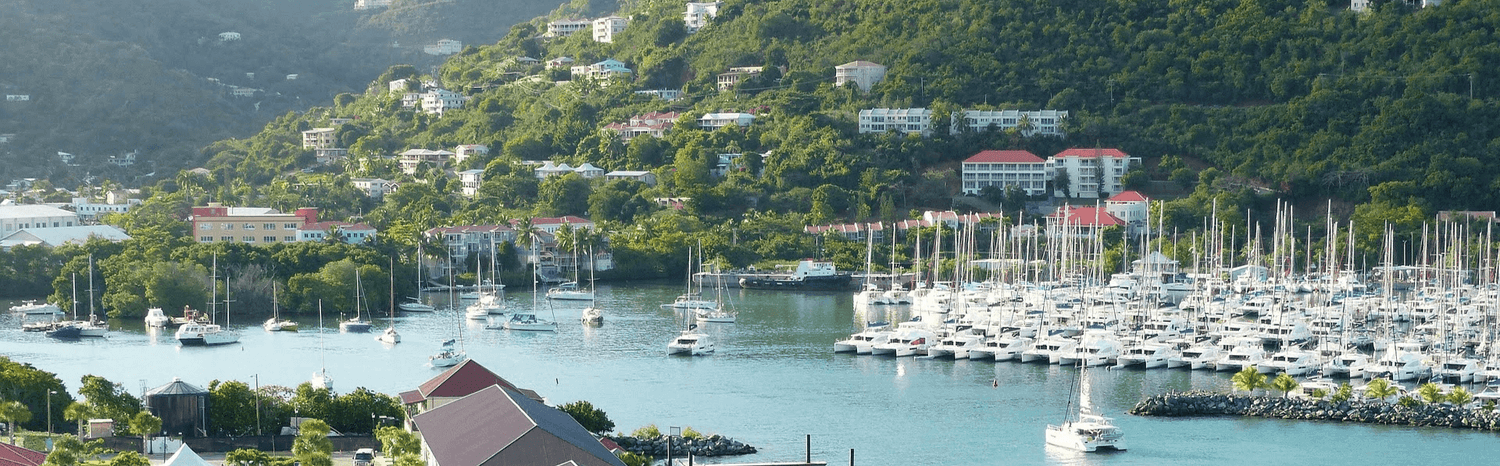
BVI Crewed Yacht Charters
The British Virgin Islands (BVI) have been one of the world’s flagship crewed charter destinations for several decades.
Around 60 islands and cays lie within a 30-mile stretch of protected water, served by reliable trade winds from December to July and a developed network of moorings, provisioning ports, and dive sites.

A typical weeklong itinerary on a BVI yacht charter covers four to six anchorages: The Baths at Virgin Gorda, the reef formations of Anegada, White Bay on Jost Van Dyke, the wreck of the RMS Rhone off Salt Island, and a handful of quieter stops in between.
Because of its calm conditions, most days involve no more than two hours of sailing in between stops, which is why the BVI suits novice and seasoned charterers alike.
Key Highlights
Best time to go: December through April has the steadiest trade winds, lowest rainfall, and warmest weather. May through July work well too if you prefer fewer boats on the water.
How to get there: Most guests fly into St. Thomas (US Virgin Islands) and take a 45-minute ferry to Tortola, where most of the charter yachts are based. Direct flights also land at Beef Island (EIS).
What you’ll see: The Baths at Virgin Gorda, the Soggy Dollar Bar on Jost Van Dyke, the wreck of the RMS Rhone off Salt Island, and the flat coral plains of Anegada with its lobster shacks.
Underwater life: Reefs stay healthy across the BVI, and there are dive sites for all levels: from beginners to advanced. Most charter yachts carry snorkel gear, and PADI dive operators are easy to arrange.
Suited to a range of travelers: The BVI features calm passages and short distances between anchorages, which makes it a strong choice for families, couples, groups of friends, and first-time charter guests.
Why Charter a Yacht in the British Virgin Islands

The BVI is one of the most popular sailing grounds in the world for its beautiful vistas, short passages, and mild conditions.
Islands are separated by short distances, which means you can visit 2 or 3 islands without long days at sea.
The islands form a natural line of sight - you can usually see your next anchorage from the one you’re leaving.
Trade winds blow at 10 to 20 knots most of the year, keeping catamarans moving without making the trip feel like work.
Beyond the sailing itself, the BVI offers a rare mix of activities: snorkeling in protected coves, beach bars with real character, secluded anchorages, and a few proper resorts if you want a meal off the boat.
Beyond the sailing, the practicalities are straightforward. English is widely spoken, and the US dollar is the local currency.
For travelers who want a private experience without complicated logistics, British Virgin Islands yacht charters strike a balance that's hard to find elsewhere in the Caribbean.
The Best BVI Yacht Charters
There’s no single “best” charter here-the right yacht depends on group size, pace, and what you want to do with your week.
That said, most guests we work with book similar places. The typical weeklong trip shares a recognizable set of preferences:
Yacht type: A crewed catamaran. It’s stable, spacious, and easy to anchor close to the shore.
Region: Most first-timers do a version of The Tortola → Norman Island → Virgin Gorda → Jost Van Dyke loop.
Pricing model: All-inclusive, with a flat rate that covers meals, drinks, fuel, and your crew. Catamarans and sailing yachts in the BVI almost always run this way.
Length: Seven nights is enough time to hit The Baths, work in Jost Van Dyke, and still have two slow days.
Season: Late November through April. Christmas and New Year book out a year ahead.
None of these are fixed. Some guests prefer a motor yacht and a faster pace; others choose a smaller monohull and a tighter route.
A private charter bends to the group, and these are the patterns we see most often when planning BVI yacht charters.
Top BVI Islands and Anchorages to Explore by Yacht
The BVI has around 60 islands, but most charter itineraries focus on the same handful.
Below are the most popular BVI anchorages guests visit, plus a quick comparison if you’re weighing the BVI against the US Virgin Islands next door.
Tortola: The Gateway Island

Almost every charter in the BVI starts in Tortola.
Most yachts are stationed on Road Town, while Nanny Cay on the south coast serves as the main marina for catamaran fleets.
The airport sits on Beef Island, a five-minute ride east of Road Town.
Most guests fly in, board the yacht, sleep aboard the first night, and head out the next morning.
Beyond logistics, Tortola holds its own as a destination.
Cane Garden Bay on the north coast is a long crescent of sand backed by rum distilleries - the famed Callwood Distillery has been around since the 1700s.
Soper's Hole on the west end is a sheltered anchorage with painted buildings, restaurants, and a customs office.
Sage Mountain, the highest peak in the BVI, has rainforest trails for guests who want a hike.
Virgin Gorda and the Baths

Virgin Gorda is the answer to "which is the prettiest British Virgin island?" - at least for most first-time visitors.
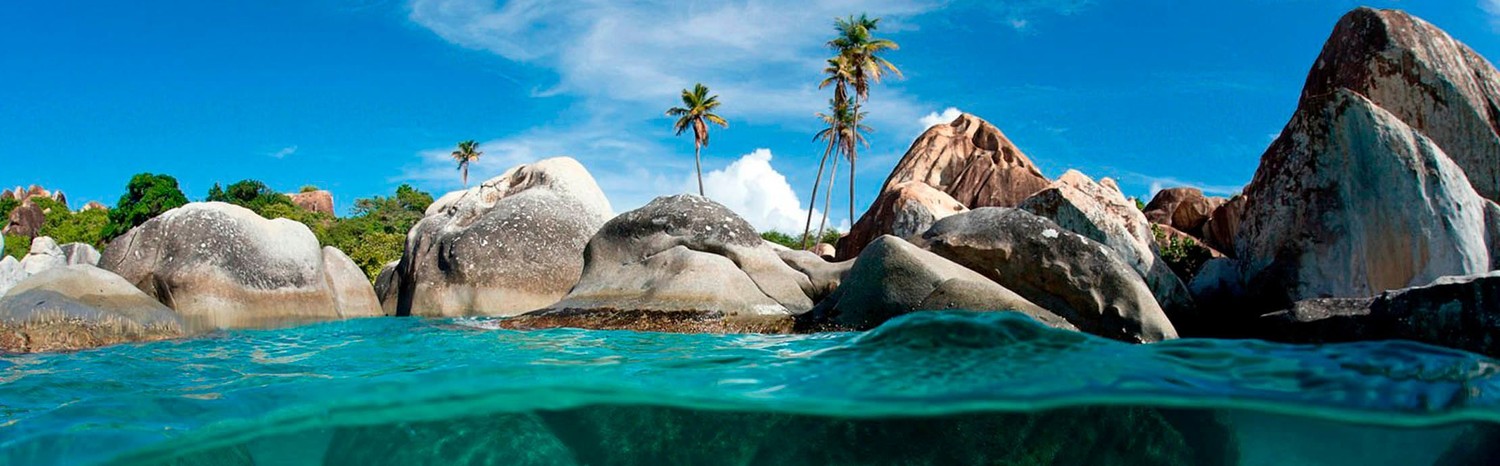
The Baths sit at the southwestern tip. It features massive granite boulders piled along the shore, forming grottoes, tidal pools, and a swimming trail you can follow between rocks for a couple hundred yards.
Yachts that anchor here overnight have The Baths to themselves before the day boats arrive from Tortola.
Spanish Town nearby has a small harbor, restaurants, and a few shops if you need to resupply.
Most yachts spend a night anchored off The Baths or at nearby Savannah Bay, then head north along the coast.
Sailing from Tortola to Virgin Gorda is one of the simplest passages in the region - a downwind run with the trade winds behind you most days.
Jost Van Dyke, Sandy Spit, and White Bay

Jost Van Dyke is small - a few hundred residents on an island you can drive across in 20 minutes - but it draws more charter guests per square mile than almost anywhere else in the BVI.
One of its most popular destinations is The Soggy Dollar Bar at White Bay, where the painkiller cocktail was invented.
Guests still wade ashore from anchored yachts to order one. Foxy's at Great Harbour has been running since 1968 and hosts one of the Caribbean's loudest New Year's Eve parties.
Sandy Spit sits a short tender ride away. It’s a tiny island with a single curve of beach and a handful of palm trees, the kind of place that looks photoshopped until you see it in person.
The Bubbly Pool on the north shore is a natural ocean jacuzzi where the surf surges through a rock channel. Most charter itineraries spend at least one full day around Jost Van Dyke.
Anegada, North Sound and the Outer Islands

Compared to the other islands, Anegada is the outlier.
Where the rest of the BVI is volcanic and mountainous, Anegada is flat - a coral island ringed by Horseshoe Reef, the third-largest barrier reef in the Caribbean.
From Virgin Gorda, you need to sail north for two to three hours to reach it.
If you’re visiting Anegada, your captain will need to plan the trip according to the weather, as the reef makes approach tricky if conditions change.
The reward is what waits on the island: lobster dinners on the beach at Cow Wreck or Big Bamboo, bone-fishing in the shallows, and a small flock of flamingos in the salt ponds.
North Sound, on the north end of Virgin Gorda, is the other anchor of this region. It’s home to the Bitter End Yacht Club and Saba Rock, both rebuilt after the 2017 hurricanes.
Outer islands like Cooper, Salt, and Peter offer quieter anchorages and the wreck of the RMS Rhone, a 19th-century mail ship now home to schools of reef fish.
BVI vs. USVI: What’s the Difference?
The British Virgin Islands (BVI) and the US Virgin Islands (USVI) sit a few miles apart and are often chartered together.
The BVI is a more established sailing destination, with a denser archipelago of protected anchorages and a long-standing crewed charter fleet. Meanwhile, the USVI has a different character.
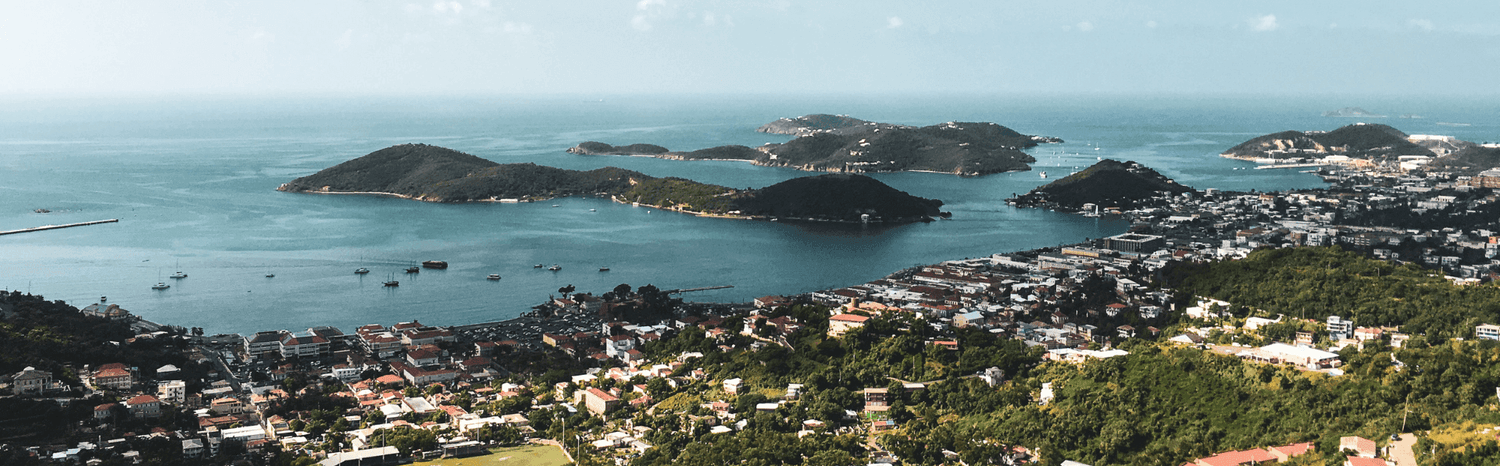
Virgin Islands National Park, which covers two-thirds of St. John, is a nature destination, while St. Thomas has a wide concentration of restaurants and shops.
Feature | BVI | USVI |
Sovereignty | British Overseas Territory | US Territory |
Currency | US Dollar | US Dollar |
Customs | British Customs entry | US Customs entry |
Character | Sailing and anchorages | National park and shoreside towns |
Charter base | Tortola | St. Thomas |
For a single-week itinerary, most guests choose one as the primary destination and visit the other for a day or two, typically stopping in Cruz Bay (St. John) or Charlotte Amalie (St. Thomas). Custom checks happen both ways.
Our 8-day BVI and USVI itinerary covers the highlights of each if you want to visit both destinations.
How to Choose Your Yacht: Catamarans, Monohulls, Motor Yachts and Superyachts
The yacht you pick shapes your whole experience in the BVI-how fast you move, how much you spend, how the boat feels at anchor and underway.
Most BVI charters can be classified into four categories.
Here are the different types of yachts, and how they compare at a glance:
Yacht type | Best for | Style | Typical # of guests |
Catamaran | Stability, deck space, shallow anchorages | Sail-powered, twin hulls | 6-12 |
Monohull | Traditional sailing feel, lower base rate | Sail-powered, heels under wind | 4-8 |
Motor yacht | Speed, range, indoor comfort | Engine-powered, faster passages | 6-12 |
Superyacht | Top-end service, full chef, larger crew | Sail or motor, 80 ft and up | 8-12+ |
Catamarans are the most popular choice in the BVI for a reason, while a monohull suits couples or sailors who want to sail in a traditional boat.
A motor yacht makes sense if you're covering more ground or prefer air-conditioned interiors.
Superyachts handle larger groups and tend to charter on a plus-expenses basis.
Catamaran Yacht Charters in the BVI
Catamarans have two hulls instead of one, which changes the way the boat behaves. They stay flat underway, with no heeling and minimal roll at anchor.
The shallow draft lets you anchor closer to shore than a monohull can, which matters in places like The Baths or White Bay.
Cabins sit in the hulls, so each one has its own privacy.
The deck and saloon are wider than anything you'd find on a similarly-sized monohull, which makes a big difference when you're traveling with a group of six or more.
For most first-time BVI guests, a catamaran is an easy yes.
Crewed Yacht Charters in the BVI

Crewed yacht charters in the BVI typically include a captain and a chef on board for the full week, sometimes a deckhand or stewardess on larger yachts. The value of an experienced BVI crew is in their local knowledge:
which anchorage stays calm when the wind shifts, which restaurant is worth the ride ashore, and when to leave or when to wait out the swell.
Meeting Your Captain and Crew

Before you arrive, your yacht broker will ask you to complete a short preference sheet with your dietary restrictions, food and drinks likes and dislikes, allergies, and what kind of week you're hoping for (ie, active, slow, social, or quiet).
From there, the chef builds a menu, and the captain plans out the itinerary.
On day one, you’ll meet the crew onboard for a short orientation.
They’ll discuss things like how the cabins work, where things are stowed, and what’s planned for the morning. By midweek, most guests stop asking what's next and simply settle into the rhythm the crew has built around them.
All-Inclusive Yacht Charters in the British Virgin Islands
All-inclusive yacht charters cover most day-to-day costs in the base rate - crew, meals on board, soft drinks, basic bar, fuel, water, and use of the yacht's gear (snorkel sets, paddleboards, tender).
But it doesn't include gratuity, flights, dockage in some marinas, and any excursions ashore.
Gratuity in the Caribbean runs 15–20% of the charter rate; it's customary and expected.
Most sailing yachts and catamarans in the BVI charter on this model, while larger motor yachts and superyachts usually run on the plus-expenses model.
What's the Difference Between an All-Inclusive and Plus-Expenses BVI Charter
Here’s a side-by-side look at how all-inclusive and plus-expenses charters compare:
All-Inclusive | Plus Expenses (APA) | |
Typical yacht | Catamaran, sailing yacht | Motor yacht, superyacht |
Base rate covers | Crew, meals, basic drinks, fuel, water, gear | Crew and use of the yacht only |
Paid separately | Gratuity (15-20%), flights, special excursions | Fuel, food, drinks, dockage, excursions (via APA) |
Upfront APA fund | None | Typically 25-35% of the charter rate |
Pricing predictability | High. You know the cost going in | Lower. Settle at the end of the charter. |
The APA (Advance Provisioning Allowance) is a separate fund you pay in advance on plus-expenses charters.
The captain uses it like a running account to cover fuel, provisioning, dockage, and onshore expenses on your behalf. He keeps the receipts and returns any unused balance.
It's not optional on plus-expenses bookings, but it gives you transparency on where the money goes.
BVI Yacht Charter Prices
What you pay for a yacht charter depends on three things: the yacht (size, age, type, and crew count), the season (high, shoulder, or off-season), and the pricing model (all-inclusive vs. plus-expenses).
A 45-foot sailing monohull in May would cost differently than a 70-foot catamaran on Christmas week.
The figures above give you a working range of what you can expect to pay, but your broker at Ritzy Yachts can narrow it down once you have dates and a group size in mind.
7-Day BVI Yacht Charter
A seven-night itinerary is standard in the BVI, and the one we recommend to most guests.
Ritzy Yachts’ full week itinerary gives you time to make the loop around the BVI.During the first four days, you’ll find yourself going from Tortola to The Baths, up to the North Sound and west to Scrub Island.
By Day 5, you move to Jost Van Dyke for a slow day, or asked to be dropped off at Cane Garden Bay for a beach day, or Sandy Spit to visit a nature preserve. From Jost Van Dyke, you’ll make your way to Tortola for a final sundowner.
Guests who want to add Anegada or cross into the US Virgin Islands can ask their broker about our BVI itinerary that includes Anegada.
What to Expect on Your BVI Yacht Charter
Mornings start with coffee and breakfast on deck, with the captain walking you through the day’s options.
A short sail to the next anchorage follows - snorkel, swim, or tender ashore to a beach bar.
You can have lunch back on the yacht, followed by a slow afternoon spent reading, paddleboarding, or napping.
Dinner might be a chef's meal on board or a table booked ashore.
What most first-time charter guests don't realize is how much shape the broker brings to the trip. The booking is the beginning of the work, not the end, and they continue by helping you find the right yacht, building the preference sheet, coordinating with the crew, and handling special requests.
And they stay available throughout the week if anything needs adjusting.
Planning your BVI Winter Charter: Best Time and Routes
The BVI's high season runs mid-December through April.
Trade winds blow steadily from the east at 10–20 knots, daytime temperatures sit in the high 70s to mid-80s°F, and rainfall is at its lowest.
Christmas and New Year weeks book out a year ahead, but February and March are a good alternative for guests who want the same conditions without the holiday surcharge.
Guests can also check dates for the shoulder season, such as late April through July and again in late November, as they’re lighter in price and traffic.
During those times, the water is still warm, the winds are still steady, and the islands are quieter.
Routes may vary by group. Most first-timers do some version of the standard Tortola loop.
Repeat guests often add Anegada or cross into the USVI for variety. Your captain shapes the daily route once you're on board, based on the weather window and what your group wants from the week.
BVI Hurricane Season and When to Avoid It
The Atlantic hurricane season runs from June through November, with the highest risk usually between August and October.
Most charter operators slow down or pull yachts during that stretch. Some yachts relocate to the southern Caribbean (Grenada, the Grenadines) for the summer and return in November.
That said, the hurricane season isn’t a hard close. June, early July, and the second half of November can be excellent.
Storms are tracked days in advance, and your broker at Ritzy Yachts will flag any concerns well before departure.
For year-round options, the Grenadines and Belize sit outside the main hurricane belt.
How to Book Your BVI Yacht Charter with Ritzy Yachts
Here’s what to expect during the booking process:
Share your vision. Tell us about your ideal charter, including your preferred destination, travel dates, group size, and the type of experience you're looking for.
Review Your Curated Options. Based on your requirements, we'll present a tailored selection of yachts and destinations, along with expert recommendations from our charter team.
Select Your Yacht. Once you've found the right fit, we'll guide you through the charter agreement and place the yacht on hold while arrangements are finalized.
Confirm Your Charter. Your charter is secured upon signing the agreement and submitting the initial deposit.
Personalize Every Detail. Before departure, we'll coordinate your preferences, including dining requests, beverages, activities, special occasions, and itinerary considerations to ensure a seamless experience onboard.
Your broker remains your point of contact throughout the charter - from initial planning to disembarkation. For most first-time guests, having a single point of contact makes for a seamless experience.
Owners can list their yachts with Ritzy Yachts for charter.
Ready to plan your BVI Charter?
The BVI is one of the easiest places in the world to start a private charter, and we've spent years matching guests with the right yacht and crew here.
Whether you're looking for a quiet week with family or a larger group for a milestone trip, our brokers can tailor the week to what you actually want.
Get in touch with our team, and we will handle the planning from there.
Choose your luxury Yacht Charter
- All yachts
- Motor Yachts
- Catamarans/Tri
- Monohulls
- Motor Sailers
- All prices
- $9,000 - $15,000
- $15,000 - $20,000
- $20,000 - $25,000
- $25,000 - $30,000
- $30,000 - $50,000
- $50,000 - $70,000
- $70,000 - $100,000
- More than $100,000
- All sizes
- Less than 45'
- 45' - 50'
- 50' - 55'
- 55' - 65'
- 65' - 80'
- 80' - 100'
- 100' - 115'
- 115' - 130'
- 130' - 150'
- More than 150'
 Scuba
Scuba- Default
- Yacht Name: A-Z ↑
- Yacht Name: Z-A ↓
- Price: Low to High ↑
- Price: High to Low ↓
- Size: Smallest First ↑
- Size: Biggest First ↓
- Year Built: Newer First ↑
- Year Built: Classics First ↓
- Number of Guests: Asc ↑
- Number of Guests: Desc ↓
- EUR


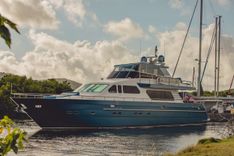
SWEET ESCAPE
Sleeps 12 guests in 6 Cabins
Size: 130 Ft



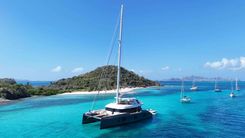






SHADES OF GREY
Sleeps 9 guests in 4 Cabins
Size: 78.74 Ft


- ‹
- 22
- 23
- 24
- 25
- 26
- 27
- 28
- 29
- 30
- ›
Last exchange rates update:
Top features


General information

Best time to charter:
Peak Season: Mid-December through April.
Low Season: May and June.

Closest Airports:
Terrance B. Lettsome International (EIS), Tortola.
Cyril E. King International Airport (STT), St. Thomas.

Climate:
Tropical, with a rainy season from June through November.

Timezone:
Atlantic Standard Time (GMT/UTC -4 hours).
Additional Information
Language: English – Currency: US Dollar – Religion: Christian
Learn more about the Virgin Islands
Spread across the northeastern Caribbean, the Virgin Islands are a kaleidoscope of aquamarine waters, sun-soaked harbours, and pristine white sandy beaches, which are the perfect place to relax while on vacation. The Virgin Islands are also quite hilly, which provides opportunities for scenic hikes and climbs.
The beautiful weather also allows for a variety of nautical activities, such as scuba diving and snorkeling. These are an excellent opportunity to see snorkeling spots in stunning Virgin Islands underwater wildlife.
There is so much to do you won't want to leave. Relax and take in the spectacular scenery; sample the French-Caribbean fusion cuisine; and explore the little villages scattered along the shores of the Sir Francis Drake Channel.
Head for the impressive rock formations of The Baths on Virgin Gorda to see immense boulders, caverns, and natural pools, or let your imagination loose with stories of pirates and treasure grottos on Norman Island, the model for 'Treasure Island'. See sunken shipwrecks and a spectacular range of tropical sea life while diving Anegada, the BVI's unique coral atoll.
White-sand beaches, lush green mountains, and sheltered, yacht-filled harbors identify the island of Tortola, the British Virgins Island's largest and capital island. The past of the West Indies and the present-day BVI combine and mingle with ruins existing alongside the luxury resorts that draw visitors from all around the world.
Virgin Islands Charter Itineraries
Please be aware that the final itinerary will be determined on board in consultation with the Captain, contingent upon weather conditions and other external factors at the time of the voyage.


Sailing Yachts:
7 - 10 knots cruising speed.
Cruising Yachts:
10 - 14 knots cruising speed.
High-Speed Yachts:
20+ knots cruising speed.
More info
All inclusive
Typically this includes all your breakfasts, lunches, dinners and snacks. Standard Ship's Bar which includes your alcoholic and non alcoholic beverages. Fuel for the yacht and its tender, and the necessary water for the onboard facilities. Use of the Yacht’s onboard equipment and the Captain, Chef and Crew’s services.
Excluded are airport transfers costs, onshore excursions and tours, as well as any food or beverages purchased ashore. Although optional, crew gratuity is customary at 15% - 20% of the charter rate for the Caribbean and 10% - 15% for the Mediterranean.
Plus Expenses
Included are the Yacht and its onboard equipment as well as the Captain, Chef and Crew’s services.
Excluded are food and beverages, fuel for the yacht and its tender, any dockage, airport transfers costs, onshore excursions and tours, as well as any cruising permits, licenses and other charter related expenses. Crew gratuity, although optional is customary at 15% - 20% of the charter rate for the Caribbean and 10% - 15% for the Mediterranean.
Advanced Provisioning Allowance:
Types of Vessels

Catamaran Yacht Charter
Catamarans are the most popular choice for Caribbean charters. Their twin-hull design provides exceptional stability, making them ideal for families. With spacious deck areas, generous cabins, and a shallow draft for accessing secluded bays, a catamaran offers unmatched comfort on the water.

Motor Yachts
For those who value speed and opulence, motor yachts deliver an unparalleled experience. These vessels cover longer distances quickly, allowing you to explore more of the Caribbean in less time. Expect world-class amenities — from sun decks and jacuzzis to gourmet galleys and state-of-the-art entertainment systems — all wrapped in sleek, head-turning design.

Motor Sailers
Motor sailers blend the romance of wind-powered sailing with the reliability of engine-driven cruising. These versatile vessels let you hoist the sails when the breeze is right and switch to motor power when conditions demand it. Perfect for couples and adventurers seeking a more intimate, authentic seafaring experience without sacrificing modern comforts.
Top Yacht Charter Destinations

Bahamas

St. Martin

St. Barts

The Grenadines

Belize
Bahamas
Top features


The Bahamas are among the top yacht charter destinations in the world. Not only are the Bahamas outstandingly beautiful, but they also offer a vast array of activities to do, making it the best destination for your vacation with friends or family. From discovering a wealth of culture and history to simply sunbathing and water sports, the opportunities for your yacht charter vacation are endless.


St. Martin
Top features


If you’re searching for the most luxurious yacht charter destination, frequently visited by the rich and famous with a year-round tropical climate, there’s no better place to start than in St. Martin (also referred to as Saint Martin or Sint Maarten). A popular Caribbean paradise, St. Martin crewed yacht charters provide the ultimate vacation getaway for couples, families, friends, and company-sponsored trips.


St. Barts
Top features
If you're searching for the most glamorous yacht charter destination, long adored by the rich and famous and blessed with a warm year-round tropical climate, there's no better place to start than St. Barts (also referred to as St. Barth or Saint Barthélemy). A chic Caribbean paradise known for its designer boutiques, celebrated beaches, and world-class dining, St. Barts crewed yacht charters provide the ultimate vacation getaway for couples, families, friends, and company-sponsored trips.


The Grenadines
Top features


St. Vincent and The Grenadines are the most perfect destination to charter a luxury private crewed yacht you can anchor in some of the most beautiful locations in the Caribbean and enjoy one of the most peaceful locations in the world.


Belize
Top features


A Belize yacht charter offers everything you could ask for; the world's second-largest barrier reef with incredible diving, fascinating wildlife both above and below the sea, secluded islands, exotic destinations, great weather, and Mayan ruins.


What Our Clients Are Saying
Real reviews from our charter guests worldwide. Read More
291 Reviews