Tortola Yacht Charters
Tortola is the largest of the British Virgin Islands and serves as the main departure point for most crewed charters in the territory.
The island stretches east to west along the north side of the Sir Francis Drake Channel, with the airport on Beef Island at the eastern end and three sheltered marinas along the south coast. Guests typically land at Terrance B. Lettsome International Airport, reach the marina within the hour, and can board the yacht by noon.
This guide explains arrival procedures, marina locations, first-day expectations, and required local permits. For details on sailing and regional destinations, check our guide to chartering across the British Virgin Islands.
Tortola: Where Your BVI Charter Begins
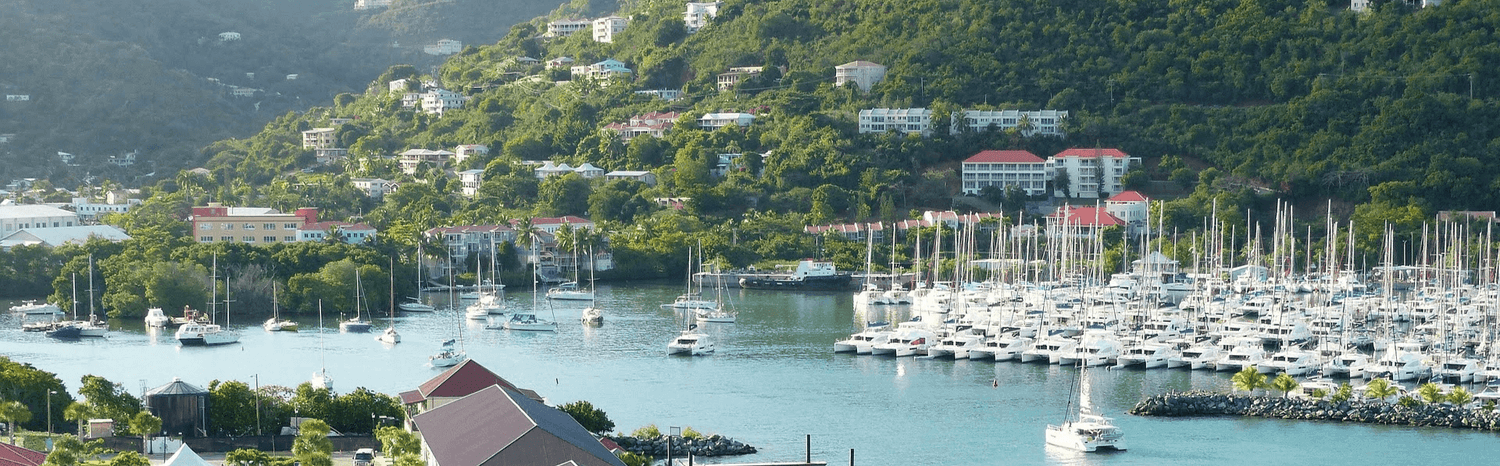
Tortola is the main departure hub for British Virgin Islands yacht charters. Its international airport is near its three main marinas: Road Town offers central harbor access near the airport, Nanny Cay hosts the largest catamaran fleet, and Soper's Hole serves charters leaving the far western end.
This setup allows guests to arrive by air or ferry and reach their boat quickly on boarding day.
Getting to Tortola
Travelers reach Tortola through two main routes. The most direct option is to fly into Terrance B. Lettsome International Airport on Beef Island.
From there, taxis reach Road Town in 20 minutes, Soper’s Hole in 30 minutes, or Nanny Cay in 40 minutes. Travelers usually connect through San Juan, Antigua, or St. Thomas.
Alternatively, travelers can fly into St. Thomas’s Cyril E. King International Airport for more direct flight options from the US mainland. A ferry then connects them to Tortola, taking 45 to 60 minutes.
All visitors, including US citizens, must present a passport to enter the British Virgin Islands. If you’re chartering a yacht to Tortola, share your arrival details with a broker, and they will arrange the best boarding point to suit your travel itinerary.
Your First Day Aboard
Upon arrival, the crew greets guests at the passerelle and assists with luggage. The captain reviews the week's cruising options based on weather forecasts, guest preferences, and planned excursions.
Meanwhile, the chef confirms dietary needs and provisioning details, and the stewardess escorts guests to their cabins.
By late afternoon, the yacht departs the marina for a nearby anchorage. This lets guests spend their first evening on the water and shortens the next morning's passage.
The Charter Marinas
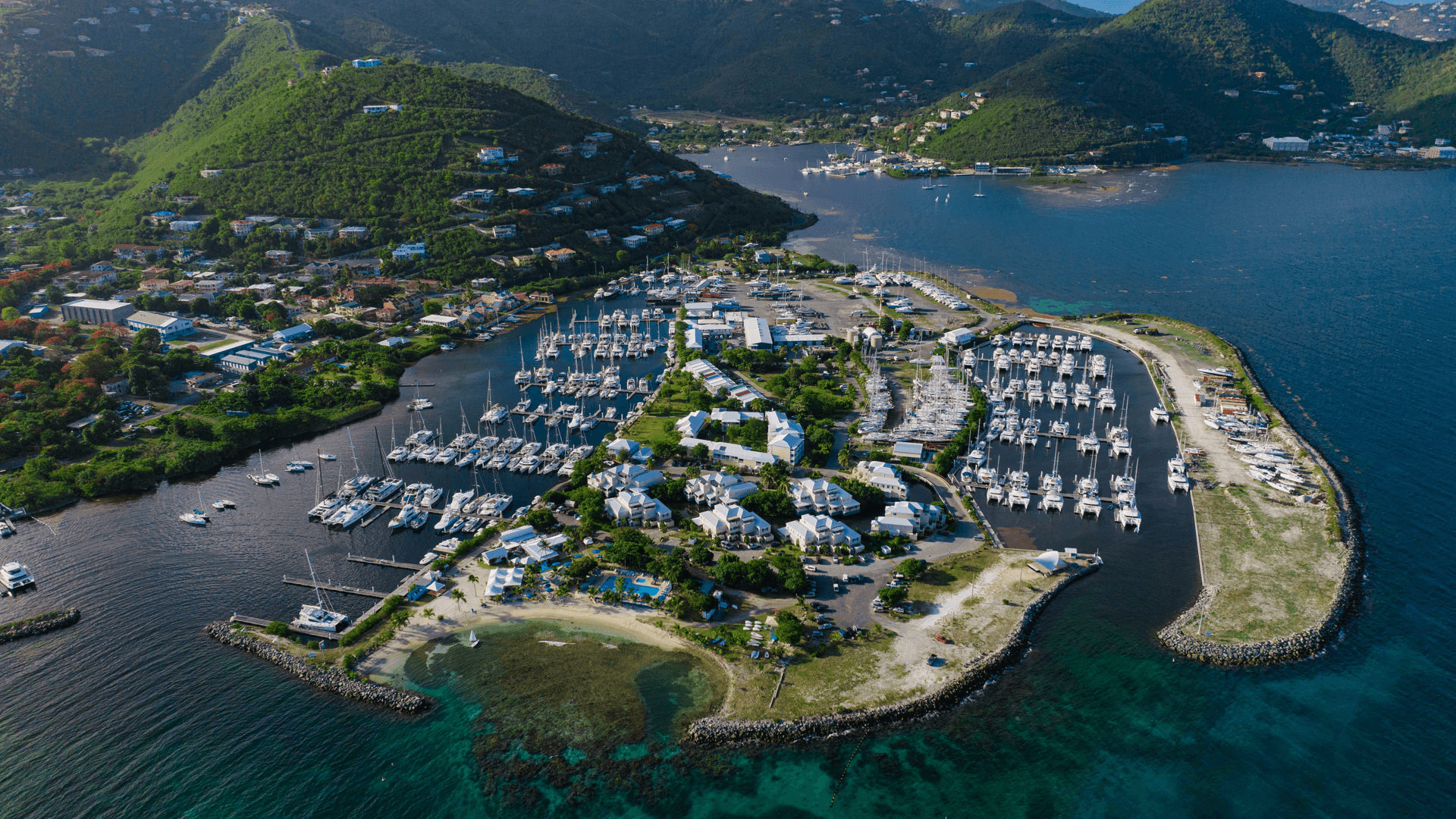
Your yacht selection dictates the departure marina. Road Town holds larger motor and sailing yachts due to its deeper waters, while Nanny Cay serves as the primary base for the catamaran fleet.
Soper’s Hole, located at the island’s west end, functions more often as a scenic stop than a departure point.
Brokers confirm the specific marina upon contract signing, matching the location to the chosen vessel.
Road Town
As the British Virgin Islands' capital, Road Town is the territory's main harbor. Most motor and large sailing yachts dock here or at nearby south coast berths. The ferry dock sits near the main marina, providing easy access for guests arriving from St. Thomas.
Road Town offers a working waterfront with convenient provisioning, including a supermarket and various restaurants on Main Street. Wickham's Cay II hosts most of the crewed fleet and offers fuel, water, and customs services.
Of the three marinas, Road Town is closest to the airport, about twenty minutes away, which suits guests arriving on their boarding day.
Nanny Cay
Nanny Cay, located west of Road Town, is the primary base for the catamaran fleet. Its protected basin holds 200 berths, a boatyard, and essential chandlery facilities.
The catamaran concentration here reflects the wider BVI yacht charter market, where multihulls have become the default choice for family groups and mixed-experience parties.
Of Tortola's three marinas, Nanny Cay is the most self-contained, with an on-site hotel, provisioning stores, restaurants, and a beach. It is ideal for guests arriving the night before boarding. The transfer from Terrance B. Lettsome Airport takes 40 minutes.
This marina places yachts within easy reach of initial routes toward Norman or Peter Island.
Soper’s Hole and the West End
Soper's Hole sits at Tortola's far western end, sheltered by Frenchman's Cay. This deep, protected anchorage features waterfront restaurants, a customs office, and provisioning shops.
While it holds fewer berths than other marinas, it is best known as a scenic anchorage or a convenient start/end point for itineraries heading toward Jost Van Dyke or for guests taking the West End ferry from St. Thomas.
It is the quietest of the three marinas and the perfect spot for a relaxed first or last night.
What to See on Tortola
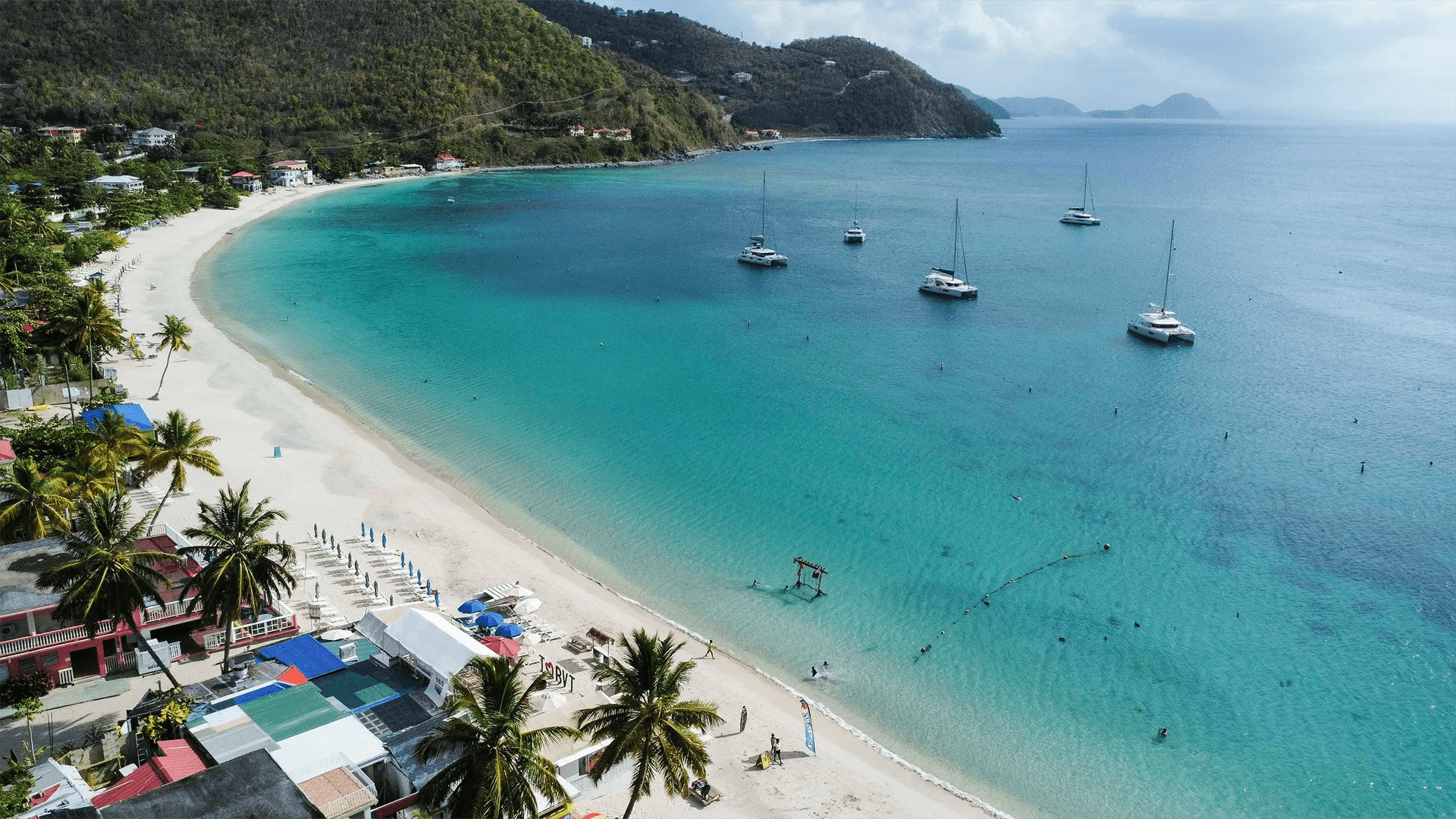
Most charter weeks happen on the outer islands. However, two spots on Tortola are worth a visit if you have spare time before or after your charter. These sites are easy to reach by car and show a different side of the island.
Cane Garden Bay and the North Coast
Cane Garden Bay features a beautiful, sandy beach on the north coast. Beach bars and restaurants line the shore. While yachts often anchor here during the week, you can also reach the beach by car in about thirty minutes from Road Town or Nanny Cay.
The nearby Callwood Distillery has produced rum from local sugarcane for nearly 300 years. The short tour offers a glimpse into the past, and the rum makes an excellent souvenir to bring aboard. If you stay on the island the night before your charter, this bay is a top choice for dining.
Sage Mountain and the Interior
Sage Mountain is the highest point in the British Virgin Islands. The national park at the top preserves the island’s last primary rainforest. Visitors can walk through mahogany and cedar forests and enjoy views over the Sir Francis Drake Channel.
The drive from Road Town takes thirty minutes, and the main loop trail takes about one hour to walk. It suits a spare morning before boarding.
Sailing Out from Tortola
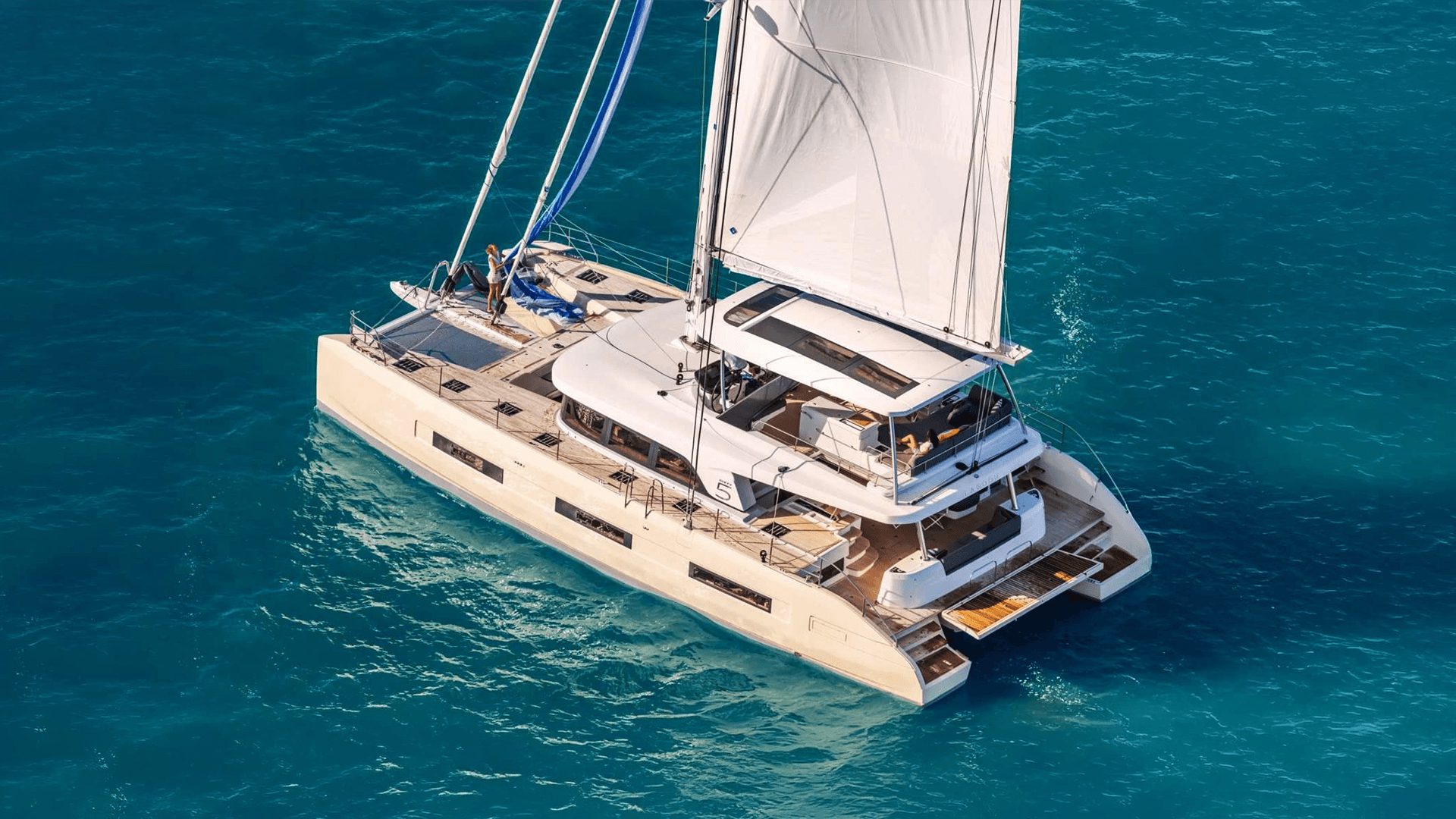
Most passages between British Virgin Islands anchorages are one or two hours away, keeping the next destination in sight throughout the trip.
These quick, scenic hops pair perfectly with steady trade winds from the east. The winds typically blow at ten to twenty knots, while the Sir Francis Drake Channel protects the route by keeping the water calm.
Every crewed yacht has a captain and crew. The captain creates the route based on weather conditions and the group's preferences.
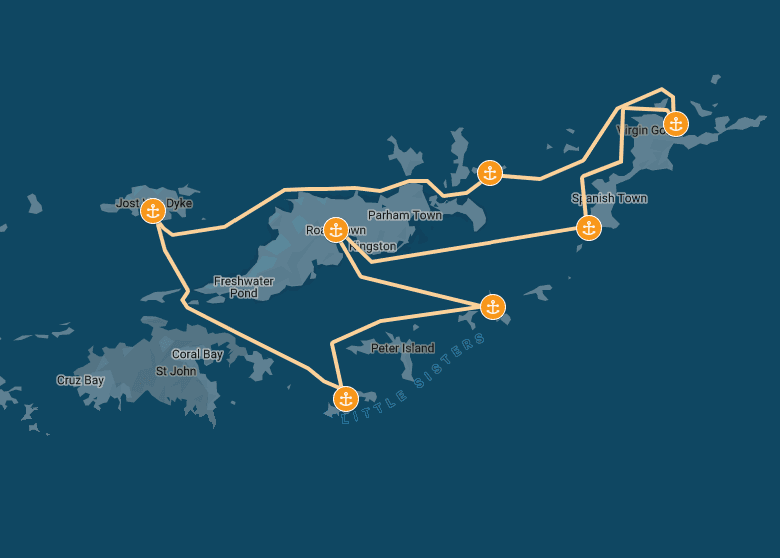
Most charter weeks follow one of two paths: heading east toward Virgin Gorda and the North Sound, or traveling west and south through Norman Island and the outer islands.
East Toward Virgin Gorda
The eastward route takes yachts downwind. Virgin Gorda sits ten nautical miles east across the Sir Francis Drake Channel.
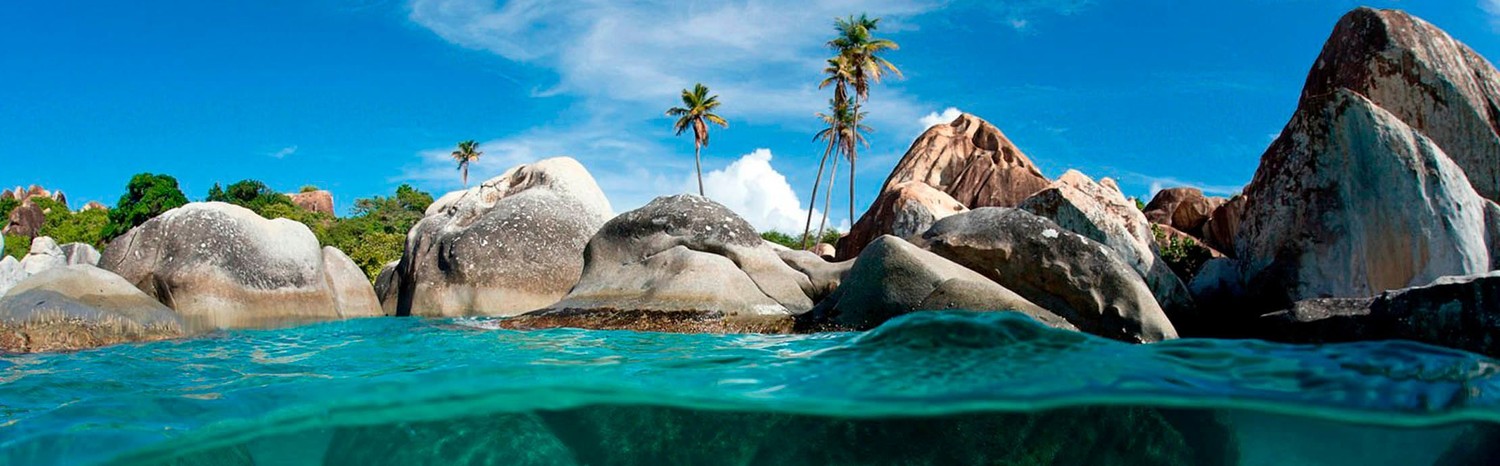
Guests who anchor at The Baths at first light enjoy the granite pools before day boats arrive from Road Town. Beyond that, the North Sound offers a sheltered harbor where guests can reach restaurants only by tender.
Anegada sits further north. Trips to this island require stable weather for the coral approach. Groups interested in Anegada can choose an itinerary that includes it.
West and South: Norman Island and the Outer Islands
Guests can explore the reefs at The Caves on Norman Island. Peter, Cooper, and Salt Islands lie farther east along the same chain and also have reef systems divers can enjoy.
Beyond this southern chain, itineraries frequently loop toward Jost Van Dyke, located northwest of Tortola. Guests who want to visit these territories can check our BVI itinerary. We also have an itinerary that takes you to the best spots in the BVI and US Virgin Islands.
Choosing Your Yacht
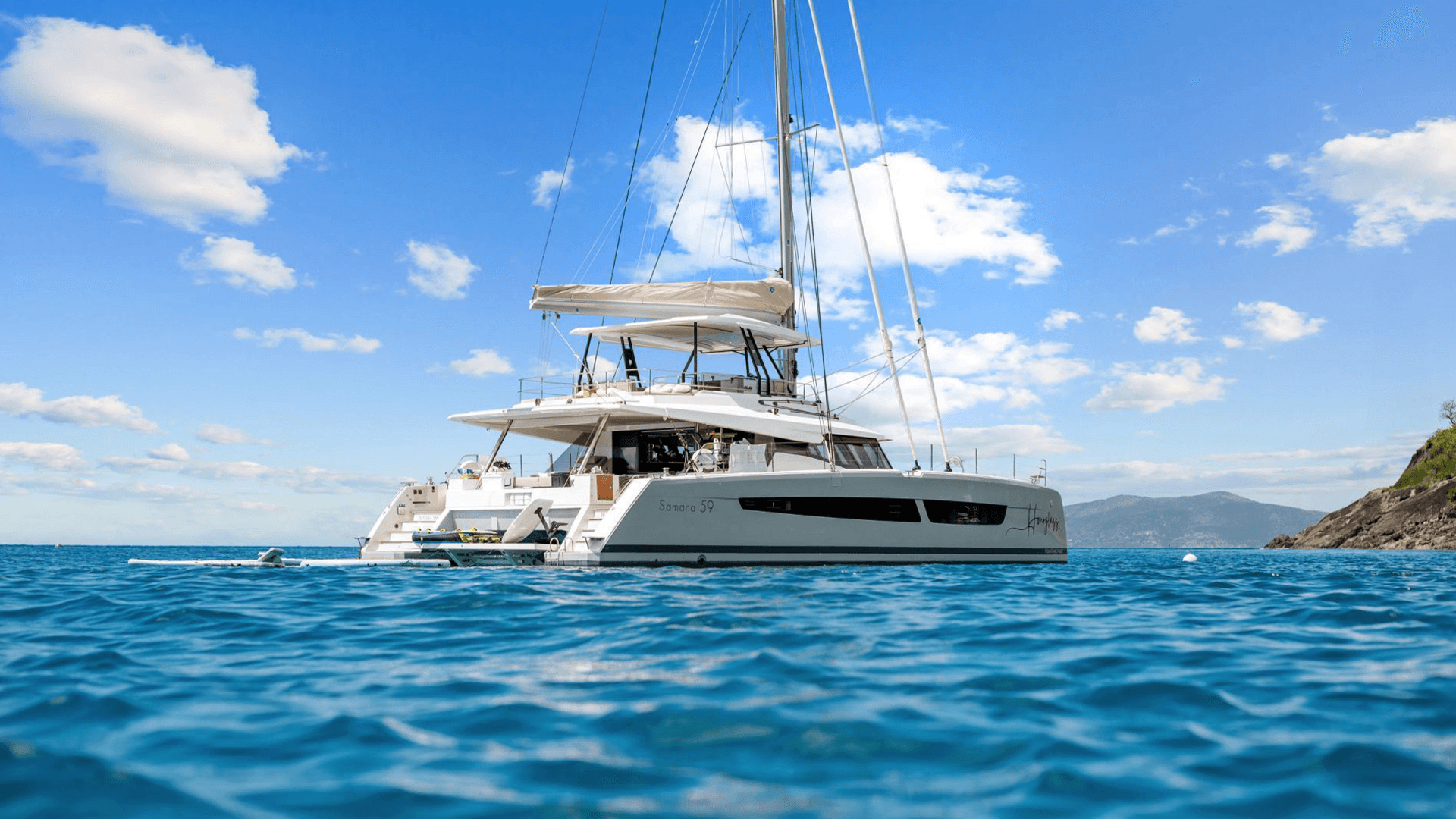
Your charter experience depends on your chosen yacht. Yacht choice depends on group size, sailing preferences, and travel pace.
Catamarans are popular choices for the BVI, but guests can also choose monohulls and motor yachts to serve specific guest needs.
Catamarans and Sailing Yachts
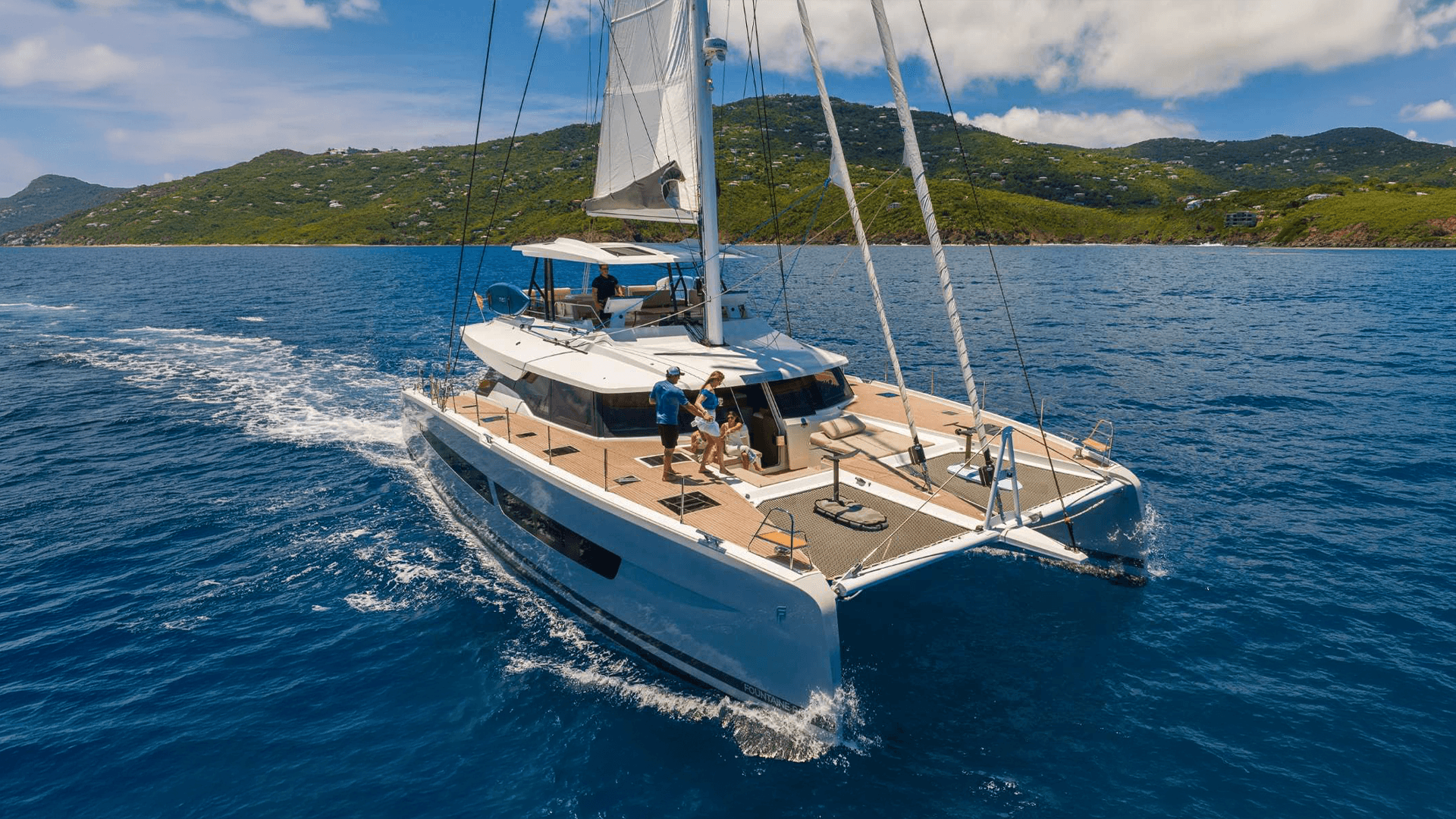
Catamarans accommodate up to 10 guests and are the most popular yacht for BVI charters. Their wide decks, shallow drafts for reef access, and stable hulls keep all passengers comfortable.
Sailing monohulls also carry up to 10 guests and appeal to travelers who want a traditional sailing journey. Every crewed yacht charter in Tortola provides a captain and crew to run the boat.
Motor Yachts and Superyachts
Motor yachts and superyachts can accommodate up to 12 guests. These boats cover long distances quickly and provide extra luxury features.
Most use a plus-expenses pricing model, which suits groups seeking speed, space, and extended cruising range.
What a Tortola Yacht Charter Costs
Weekly rates for a BVI charter vary based on yacht size, season, and demand. Rates are typically highest during the Christmas and New Year peak, while May and June offer better value.
Most crewed catamarans and sailing yachts operate on an all-inclusive basis. Your rate covers a private yacht, a professional crew, gourmet meals, a standard bar, and full use of the yacht’s water toys for the week.
Larger motor yachts and superyachts often use a "plus-expenses" model. You will pay an Advance Provisioning Allowance (APA), typically 30 to 35 percent of the base rate, to cover fuel, provisioning, dockage, and other onboard expenses.
Your captain tracks these costs, refunds any unused funds, or settles any extra charges at the end of your trip. Budget 15 to 20 percent for crew gratuity.
Cruising Permits, Park Fees, and Local Charges
The BVI collects local fees for cruising permits, national park access, and environmental levies. Your crew handles these payments on your behalf.
Before you book, your charter broker clarifies every cost, what is included, and any extra fees.
The Best Time to Charter from Tortola
Peak season runs between mid-December and April. Visit during those times to experience steady east trade winds and the driest weather.
Christmas and New Year dates are most popular and fill in quickly, so book roughly a year ahead. Choose February or March for identical sailing conditions without the holiday premium.
May and June offer excellent value. You will find warmer air, more variable winds, and generally clear skies. Hurricane season runs from June through November, peaking between August and October.
During these months, most operators pause services as insurance and routing requirements change.
Plan Your Tortola Yacht Charter with Ritzy Yachts
Ritzy Yachts arranges every charter around your travel dates, group size, and preferences. Our brokers recommend yachts that fit your group, help plan the final itinerary with the captain, and handle all pre-departure coordination with the crew.
Speak with our brokers about sailing the British Virgin Islands.
Choose your luxury Yacht Charter
- All yachts
- Motor Yachts
- Catamarans/Tri
- Monohulls
- Motor Sailers
- All prices
- $9,000 - $15,000
- $15,000 - $20,000
- $20,000 - $25,000
- $25,000 - $30,000
- $30,000 - $50,000
- $50,000 - $70,000
- $70,000 - $100,000
- More than $100,000
- All sizes
- Less than 45'
- 45' - 50'
- 50' - 55'
- 55' - 65'
- 65' - 80'
- 80' - 100'
- 100' - 115'
- 115' - 130'
- 130' - 150'
- More than 150'
 Scuba
Scuba- Default
- Yacht Name: A-Z ↑
- Yacht Name: Z-A ↓
- Price: Low to High ↑
- Price: High to Low ↓
- Size: Smallest First ↑
- Size: Biggest First ↓
- Year Built: Newer First ↑
- Year Built: Classics First ↓
- Number of Guests: Asc ↑
- Number of Guests: Desc ↓
- EUR













- ‹
- 1
- 2
- 3
- 4
- 5
- 6
- 7
- 8
- 9
- ›
Last exchange rates update:
Top features


General information

Best time to charter:
Peak Season: Mid-December through April.
Low Season: May and June.

Closest Airports:
Terrance B. Lettsome International (EIS), Tortola.
Cyril E. King International Airport (STT), St. Thomas.

Climate:
Tropical, with a rainy season from June through November.

Timezone:
Atlantic Standard Time (GMT/UTC -4 hours).
Additional Information
Language: English – Currency: US Dollar – Religion: Christian
Learn more about the Virgin Islands
Spread across the northeastern Caribbean, the Virgin Islands are a kaleidoscope of aquamarine waters, sun-soaked harbours, and pristine white sandy beaches, which are the perfect place to relax while on vacation. The Virgin Islands are also quite hilly, which provides opportunities for scenic hikes and climbs.
The beautiful weather also allows for a variety of nautical activities, such as scuba diving and snorkeling. These are an excellent opportunity to see snorkeling spots in stunning Virgin Islands underwater wildlife.
There is so much to do you won't want to leave. Relax and take in the spectacular scenery; sample the French-Caribbean fusion cuisine; and explore the little villages scattered along the shores of the Sir Francis Drake Channel.
Head for the impressive rock formations of The Baths on Virgin Gorda to see immense boulders, caverns, and natural pools, or let your imagination loose with stories of pirates and treasure grottos on Norman Island, the model for 'Treasure Island'. See sunken shipwrecks and a spectacular range of tropical sea life while diving Anegada, the BVI's unique coral atoll.
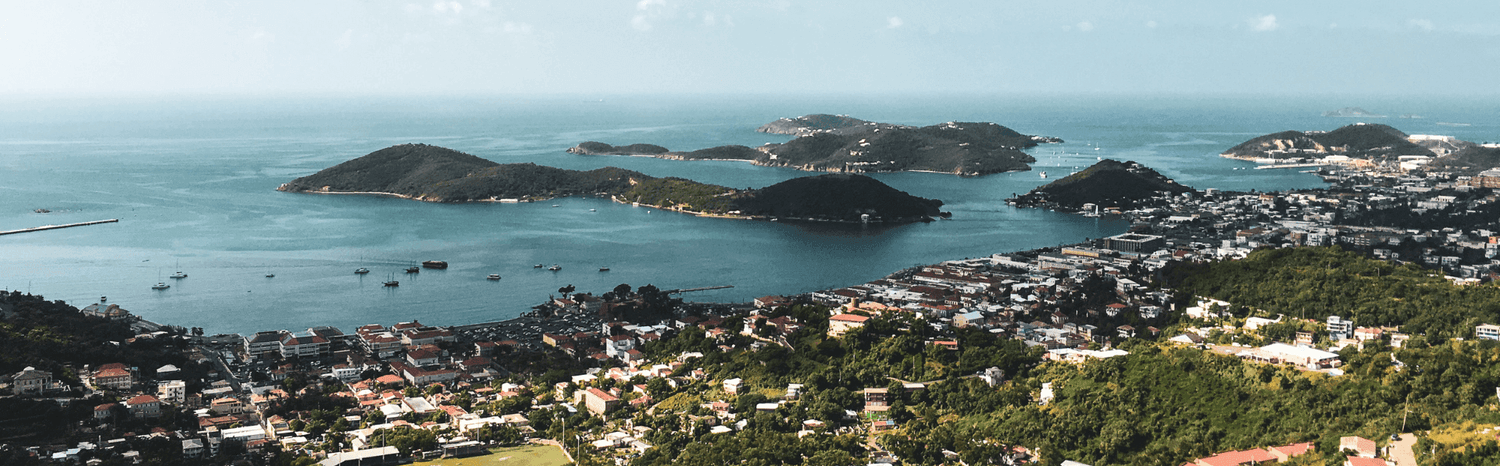
White-sand beaches, lush green mountains, and sheltered, yacht-filled harbors identify the island of Tortola, the British Virgins Island's largest and capital island. The past of the West Indies and the present-day BVI combine and mingle with ruins existing alongside the luxury resorts that draw visitors from all around the world.
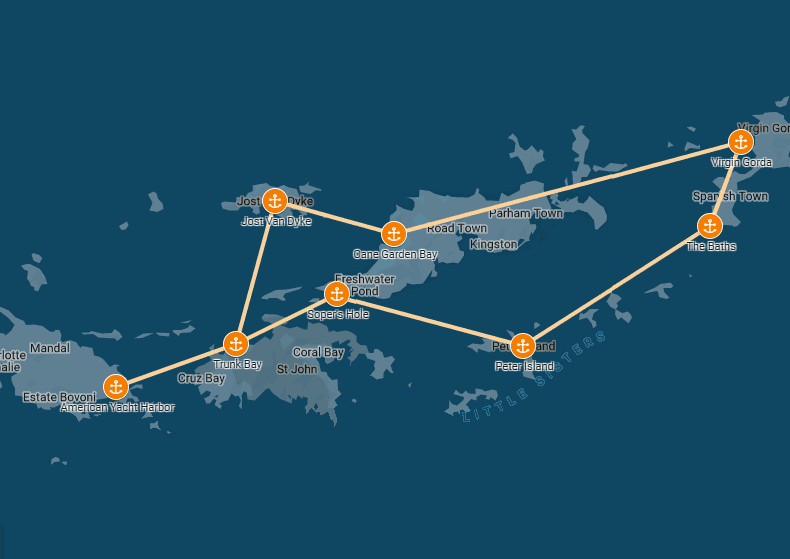
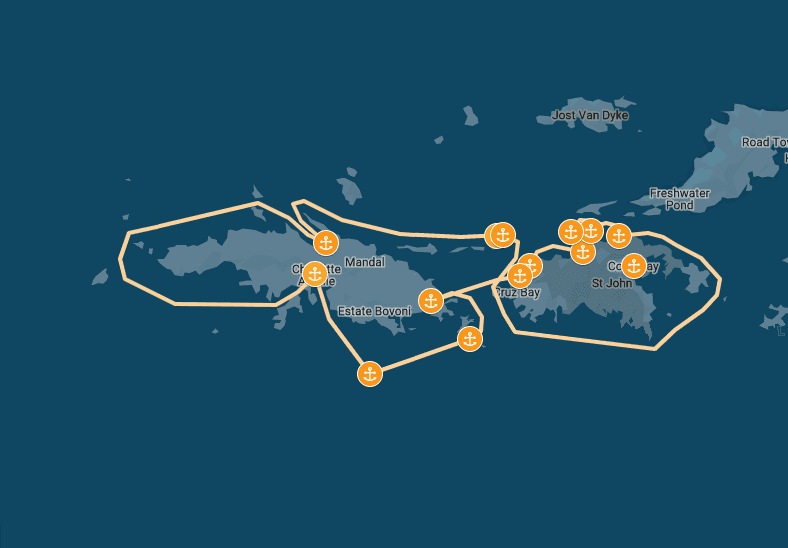
Tortola Yacht Charters Charter Itineraries
Please be aware that the final itinerary will be determined on board in consultation with the Captain, contingent upon weather conditions and other external factors at the time of the voyage.


Sailing Yachts:
7 - 10 knots cruising speed.
Cruising Yachts:
10 - 14 knots cruising speed.
High-Speed Yachts:
20+ knots cruising speed.
More info
All inclusive
Typically this includes all your breakfasts, lunches, dinners and snacks. Standard Ship's Bar which includes your alcoholic and non alcoholic beverages. Fuel for the yacht and its tender, and the necessary water for the onboard facilities. Use of the Yacht’s onboard equipment and the Captain, Chef and Crew’s services.
Excluded are airport transfers costs, onshore excursions and tours, as well as any food or beverages purchased ashore. Although optional, crew gratuity is customary at 15% - 20% of the charter rate for the Caribbean and 10% - 15% for the Mediterranean.
Plus Expenses
Included are the Yacht and its onboard equipment as well as the Captain, Chef and Crew’s services.
Excluded are food and beverages, fuel for the yacht and its tender, any dockage, airport transfers costs, onshore excursions and tours, as well as any cruising permits, licenses and other charter related expenses. Crew gratuity, although optional is customary at 15% - 20% of the charter rate for the Caribbean and 10% - 15% for the Mediterranean.
Advanced Provisioning Allowance:
Types of Vessels

Catamaran Yacht Charter
Catamarans are the most popular choice for Caribbean charters. Their twin-hull design provides exceptional stability, making them ideal for families. With spacious deck areas, generous cabins, and a shallow draft for accessing secluded bays, a catamaran offers unmatched comfort on the water.

Motor Yachts
For those who value speed and opulence, motor yachts deliver an unparalleled experience. These vessels cover longer distances quickly, allowing you to explore more of the Caribbean in less time. Expect world-class amenities — from sun decks and jacuzzis to gourmet galleys and state-of-the-art entertainment systems — all wrapped in sleek, head-turning design.

Motor Sailers
Motor sailers blend the romance of wind-powered sailing with the reliability of engine-driven cruising. These versatile vessels let you hoist the sails when the breeze is right and switch to motor power when conditions demand it. Perfect for couples and adventurers seeking a more intimate, authentic seafaring experience without sacrificing modern comforts.
Top Yacht Charter Destinations

Virgin Islands

Bahamas

St. Martin

St. Barts

The Grenadines
Virgin Islands
Top features


The Virgin Islands are a sailor's paradise: they are honored with year-round warm weather, easy trade winds, calm, blue waters and bougainvillaea-clad hillsides. It is unsurprising that yacht charters here are so well-liked.


Bahamas
Top features


The Bahamas are among the top yacht charter destinations in the world. Not only are the Bahamas outstandingly beautiful, but they also offer a vast array of activities to do, making it the best destination for your vacation with friends or family. From discovering a wealth of culture and history to simply sunbathing and water sports, the opportunities for your yacht charter vacation are endless.


St. Martin
Top features
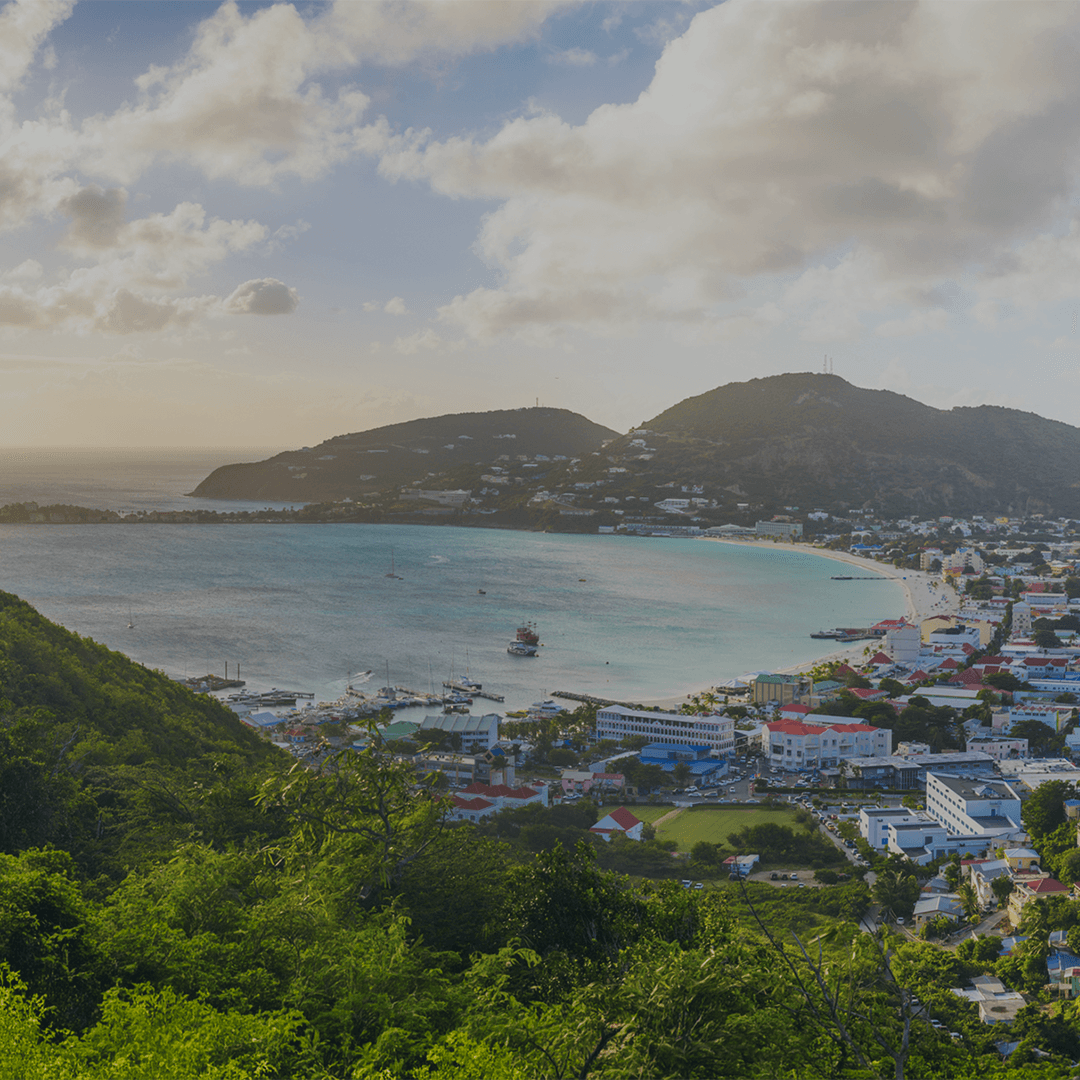
If you’re searching for the most luxurious yacht charter destination, frequently visited by the rich and famous with a year-round tropical climate, there’s no better place to start than in St. Martin (also referred to as Saint Martin or Sint Maarten). A popular Caribbean paradise, St. Martin crewed yacht charters provide the ultimate vacation getaway for couples, families, friends, and company-sponsored trips.

St. Barts
Top features
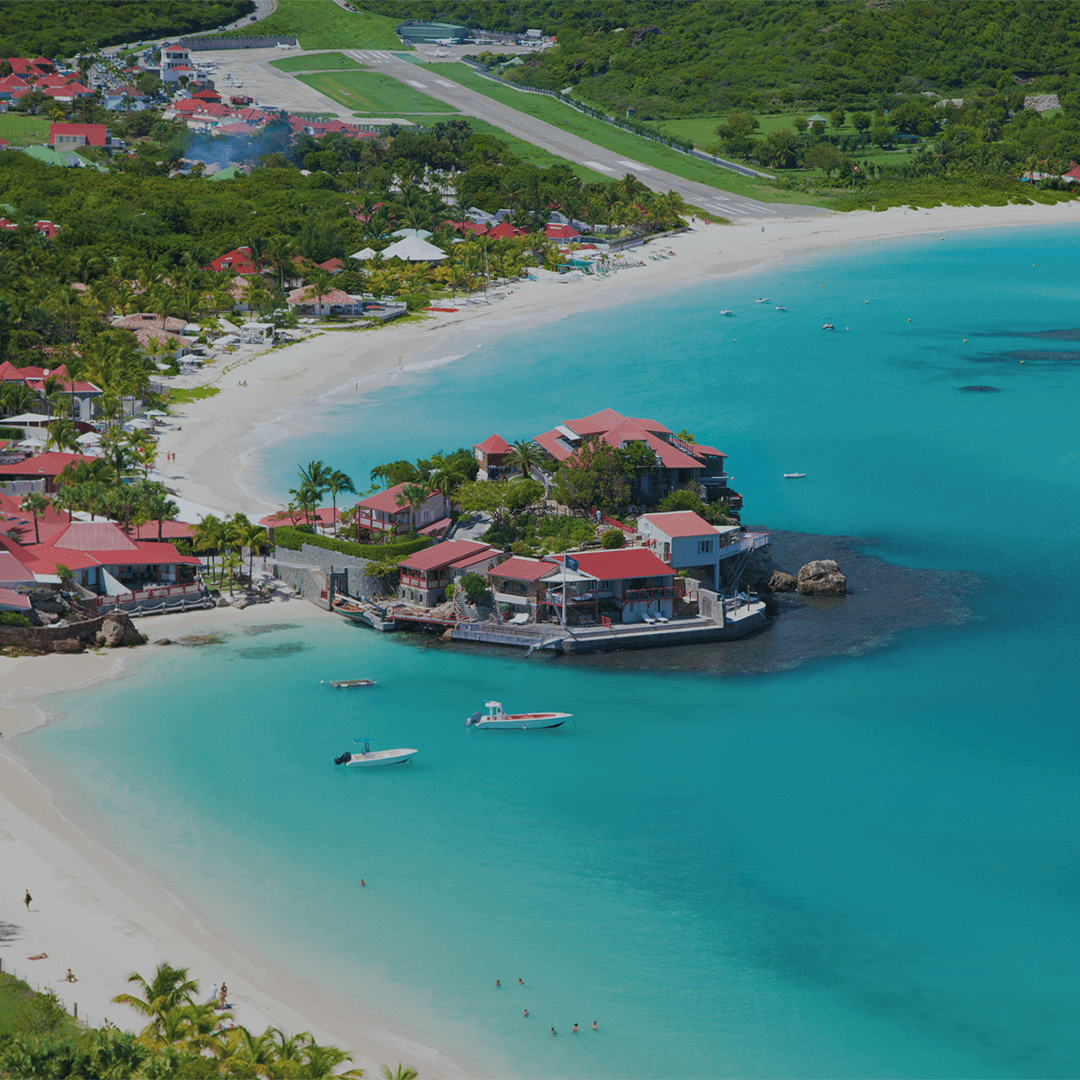
If you're searching for the most glamorous yacht charter destination, long adored by the rich and famous and blessed with a warm year-round tropical climate, there's no better place to start than St. Barts (also referred to as St. Barth or Saint Barthélemy). A chic Caribbean paradise known for its designer boutiques, celebrated beaches, and world-class dining, St. Barts crewed yacht charters provide the ultimate vacation getaway for couples, families, friends, and company-sponsored trips.

The Grenadines
Top features

St. Vincent and The Grenadines are the most perfect destination to charter a luxury private crewed yacht you can anchor in some of the most beautiful locations in the Caribbean and enjoy one of the most peaceful locations in the world.


What Our Clients Are Saying
Real reviews from our charter guests worldwide. Read More
291 Reviews